Bone health is a cornerstone of overall well-being, yet it often goes overlooked until problems arise. Our bones do much more than provide structure - they protect vital organs, anchor muscles, and serve as reservoirs for essential minerals like calcium and phosphorus. Maintaining optimal bone health is crucial at every stage of life to prevent conditions such as osteoporosis and reduce the risk of fractures. Whether you’re a young adult building peak bone mass or an older adult aiming to preserve bone density, understanding how to care for your skeletal system can empower you to live a healthier, more active life.
Bone health refers to the strength, density, and overall condition of the skeletal system. Healthy bones have adequate bone mineral density (BMD) and a robust microarchitecture that allows them to withstand physical stress and prevent fractures.
Bones are living tissues that constantly undergo remodeling - a dynamic process where old bone is broken down by osteoclast cells and new bone is formed by osteoblast cells. This balance is essential to maintain bone strength. Peak bone mass is typically reached by age 30, after which bone breakdown can outpace formation, leading to gradual bone loss.
Poor bone health can result in osteoporosis, a condition characterized by porous, fragile bones that fracture easily. According to the National Institute of Arthritis and Musculoskeletal and Skin Diseases, over 53 million Americans have osteoporosis or low bone mass, increasing their fracture risk.
Bone health is influenced by a complex interplay of genetics, nutrition, physical activity, hormones, and lifestyle choices.
- Bone density naturally decreases with age.
- Women, especially postmenopausal women, are at higher risk due to decreased estrogen levels, which accelerate bone loss.
- Calcium and vitamin D are critical nutrients. Calcium provides the structural component of bone, while vitamin D enhances calcium absorption.
- Protein intake supports bone matrix formation and stimulates bone-building hormones like insulin-like growth factor-1 (IGF-1).
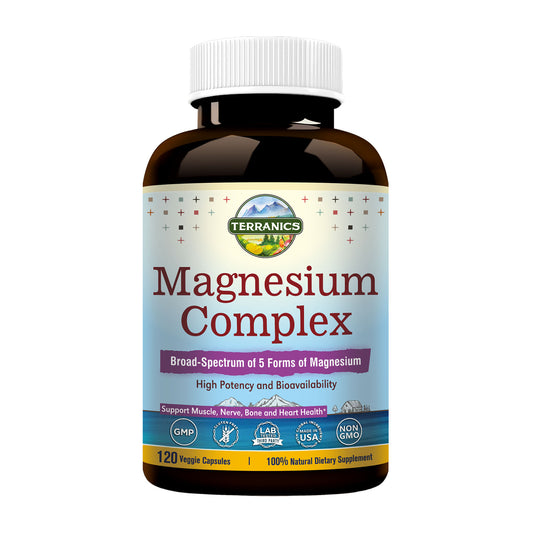
- Magnesium, found in nuts and leafy greens, also plays a vital role in bone density.
- Excessive consumption of sugar-sweetened beverages and high salt intake can negatively impact bone health.
- Weight-bearing and resistance exercises stimulate bone formation and increase bone strength.
- Activities such as walking, hiking, dancing, and resistance training with weights or bands are especially beneficial.
- Balance and flexibility exercises like yoga and tai chi reduce fall risk, preventing fractures.
- Smoking and excessive alcohol consumption accelerate bone loss and increase fracture risk.
- Maintaining a healthy weight is important; being underweight or obese can both adversely affect bones.
- Environmental factors such as poor lighting, uneven floors, and lack of safety rails increase the risk of falls.
- Hormonal imbalances (e.g., low testosterone or thyroid disorders) can impair bone remodeling.
- Certain medications, including glucocorticoids and some cancer treatments, may harm bone density.
- Family history and ethnicity also contribute to risk; people of white or Asian descent have higher osteoporosis risk.
A balanced diet rich in bone-supporting nutrients is foundational for bone health.
-
Calcium-rich foods: Dairy products (milk, yogurt, cheese), leafy greens (kale, collard greens), tofu, almonds, and fortified plant-based milks.
-
Vitamin D sources: Fatty fish (salmon, mackerel), egg yolks, fortified cereals, and safe sunlight exposure (10-30 minutes several times a week).
-
Protein: Both animal and plant proteins are important, but studies show animal protein may have a more positive effect on bone mineral density.
-
Magnesium and other minerals: Found in nuts, seeds, whole grains, and green vegetables.
-
Limit sugary and carbonated beverages: These can displace calcium-rich foods and negatively impact bone mass.
Regular exercise is one of the most effective ways to maintain and improve bone health.
-
Weight-bearing exercises: Activities like walking, jogging, tennis, and dancing force your bones to work against gravity, stimulating bone formation.
-
Resistance training: Using weights or resistance bands strengthens muscles and bones.
-
Balance and flexibility: Yoga and tai chi improve coordination and reduce falls.
-
Quit smoking: Smoking impairs bone-building cells and accelerates menopause in women.
-
Limit alcohol: Excessive drinking interferes with calcium balance and increases fall risk.
-
Maintain healthy weight: Avoid being underweight or obese to reduce fracture risk.
-
Fall-proof your environment: Use non-slip mats, install grab bars, improve lighting, and keep pathways clear.
-
Regular health checks: Monitor bone density through DXA scans if you have risk factors or a history of fractures.
Recent research reveals that gut microbiota - the community of microorganisms in our intestines - affects bone metabolism. Probiotics like Bifidobacterium lactis and dietary polyphenols from prunes and blueberries may improve bone density by modulating inflammation and enhancing nutrient absorption.
This exciting area suggests that maintaining a healthy gut flora through diet and supplements could become an integral part of bone health strategies.
- Eat a balanced diet rich in calcium, vitamin D, protein, and magnesium.
- Engage in at least 15-30 minutes of daily physical activity, focusing on weight-bearing and resistance exercises.
- Limit alcohol consumption and avoid smoking.
- Ensure safe home environments to prevent falls.
- Get regular sunlight exposure to boost vitamin D levels.
- Discuss bone health with your healthcare provider, especially if you have risk factors.

 Sold out