Perimenopause - a natural yet often misunderstood phase in a woman’s life—marks the transitional period leading up to menopause. For many, it begins in their late 30s or early 40s and can last several years, bringing a whirlwind of physical, emotional, and hormonal changes. But here’s the empowering truth: women today are no longer quietly enduring perimenopause; they’re taking it head on and thriving. With increased awareness, personalized care, and holistic strategies, this phase can become a powerful chapter of growth, health, and vitality.
In this article, we explore how women are navigating perimenopause with confidence, backed by expert advice and real-life success stories. From managing symptoms and metabolic shifts to embracing lifestyle tweaks and emotional resilience, discover practical and science-based ways to menopause-proof your life.
Understanding Perimenopause: The Beginning of a New Chapter
Perimenopause is characterized by fluctuating levels of key hormones such as estrogen, progesterone, follicle-stimulating hormone (FSH), and androgens. These hormonal shifts affect nearly every system in the body, often triggering symptoms like:
- Irregular or heavy periods
- Hot flashes and night sweats
- Fatigue and sleep disturbances
- Mood swings, anxiety, and brain fog
- Vaginal dryness and changes in libido
- Weight gain, muscle loss, and reduced bone density
- Skin changes and menstrual cycle irregularities
According to wellbeing magazine, up to 60% of women experience mild to moderate symptoms, while 20% face severe symptoms that impact daily life. Yet, the stigma and lack of conversation around perimenopause often leave women feeling isolated and unprepared.
1. Become an Expert in Your Own Body
One of the most powerful ways women are thriving during perimenopause is by becoming experts in their own bodies. Elizabeth Sergeant, a nutritionist and women’s health coach, emphasizes the importance of tracking menstrual cycles and daily symptoms to understand hormonal rhythms better.
How to start:
- Use apps or journals to record cycle length, flow heaviness, mood changes, and energy levels.
- Identify patterns and triggers that could be linked to hormonal shifts.
- Share this data with your healthcare provider for personalized care.
2. Don’t Guess, Test: The Role of Comprehensive Blood Work
Many perimenopause symptoms overlap with other health issues like thyroid dysfunction, vitamin deficiencies, or metabolic imbalances. Emma Bardwell, a registered nutritionist, advises women to get to clarify what’s hormone-related and what can be improved through diet and lifestyle.
Key tests to consider include:
- Vitamin B12, Vitamin D, and Folate levels
- Thyroid function tests
- Cholesterol and HbA1c for metabolic health
- Iron levels to rule out anemia
3. Personalize Your Plan: No One-Size-Fits-All Solution
Consultant gynecologist Dr. Tania Adib highlights that perimenopause symptoms are unique to every woman. Some women may struggle with anxiety and hot flashes, while others face joint pain or sleep disruptions.
Steps to develop your plan:
- Consult your GP or gynecologist early to discuss symptoms.
- Combine exercise, diet, mindfulness, and medication if necessary.
- Identify triggers and adjust your plan as symptoms evolve.
4. Lifestyle Tweaks That Make a Difference
Women are thriving by integrating simple but effective lifestyle changes that support hormonal balance and overall well-being.
a) Nutrition for Hormone Health
- Swap refined carbs like white bread and pasta for sweet potatoes, quinoa, buckwheat, and rye bread to stabilize blood sugar.
- Include 20-30g of protein per meal to support satiety and muscle maintenance.
- Load up on cruciferous vegetables (broccoli, cauliflower, rocket) which contain glucosinolates that aid estrogen detoxification.
- Limit alcohol intake, aiming for at least five alcohol-free days per week, as alcohol can exacerbate hot flashes and estrogen dominance.
b) Exercise: Strength and Movement Matter
Exercise is not just a “nice-to-have” but essential during perimenopause. Dr. Fionnuala Barton recommends:
- Daily steps and progressive resistance training 2-3 times a week (yoga, pilates, weightlifting).
- Bone-strengthening activities like jump training to prevent osteoporosis.
- Pilates exercises like the “dumb waiter” to improve posture and confidence.
c) Stress Management and Sleep Hygiene
Hormonal changes can make stress feel more intense. Women are using techniques like:
- The physiological sigh breathing exercise to reduce anxiety.
- Mindfulness, meditation, and adaptogenic herbs like ashwagandha.
- Sleep therapy apps (e.g., Sleepio) and establishing consistent sleep routines.
5. Embracing Holistic and Medical Support
Women are blending holistic practices with medical interventions for optimal symptom relief.
- Herbal supports such as chaste tree, wild yam, and sage help balance hormones naturally.
- Hormone Replacement Therapy (HRT) remains the most effective treatment for severe symptoms, with modern, body-identical options offering safety and flexibility.
- Talking therapy complements medical care by addressing emotional health and trauma.
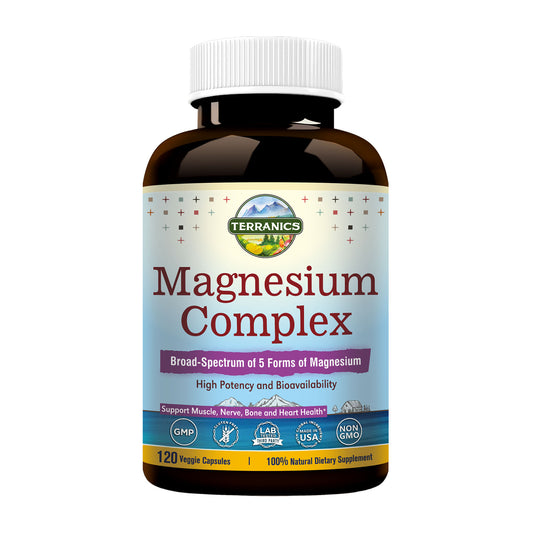
- Supplements like magnesium glycinate support energy and sleep.