Menopause is a natural phase in a woman’s life, typically occurring between the ages of 45 and 55, marked by the end of menstrual cycles and significant hormonal changes. While it signals a new chapter, menopause often brings a variety of physical and emotional symptoms, including hot flashes, mood swings, sleep disturbances, and notably, increased stress. Managing stress during menopause is crucial - not only to ease these symptoms but also to maintain overall health and well-being.
This article delves into practical, research-backed approaches to help women manage stress effectively during menopause. By understanding the connection between menopause and stress, and adopting targeted strategies, you can regain control and improve your quality of life during this transformative time.
Effective Strategies for Managing Stress During Menopause
1. Prioritize Physical Activity
Regular exercise is one of the most effective ways to manage stress during menopause. The NHS recommends at least 150 minutes of moderate-intensity or 75 minutes of vigorous-intensity exercise weekly. Benefits include:
- Lowering cortisol levels: Exercise triggers endorphin release, the body’s natural "feel-good" hormones, which help reduce stress.
- Improving cardiovascular health: Estrogen decline can affect heart health; exercise helps maintain blood vessel flexibility and cholesterol balance.
- Enhancing bone density: Weight-bearing and resistance exercises combat the risk of osteoporosis common in menopause.
Suggested activities: brisk walking, cycling, swimming, yoga, and resistance training with weights or bands.
2. Embrace Relaxation and Mindfulness Techniques
Relaxation practices can significantly reduce stress and improve emotional well-being during menopause. Some proven techniques include:
- Deep breathing: Slow, diaphragmatic breathing calms the nervous system and can reduce hot flash intensity.
- Progressive muscle relaxation: Alternately tensing and relaxing muscle groups helps release physical tension.
- Mindfulness meditation: Focusing on the present moment reduces anxiety and mood swings.
- Yoga and Tai Chi: These combine gentle movement with breath control and mindfulness, supporting both physical and mental health.
3. Maintain a Balanced and Nutrient-Rich Diet
Nutrition plays a pivotal role in managing menopausal stress and symptoms. Key dietary recommendations include:
- Stabilize blood sugar: Combine complex carbohydrates with protein and healthy fats to prevent cortisol spikes and mood swings.
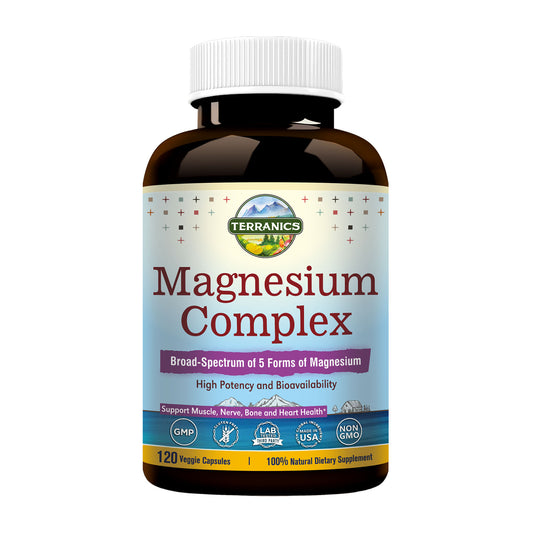
- Increase magnesium intake: Known as “nature’s chill pill,” magnesium-rich foods like leafy greens, nuts, and dark chocolate support muscle relaxation and stress reduction.
- Adequate protein: Supports neurotransmitter production essential for mood regulation. Aim for 25-30 grams per meal.
- Limit caffeine and alcohol: Both can disrupt sleep and exacerbate hot flashes and anxiety.
4. Prioritize Quality Sleep
Sleep disturbances are common during menopause and can worsen stress. Establishing good sleep hygiene is essential:
- Maintain a consistent bedtime and wake-up schedule.
- Create a calming pre-sleep routine—avoid screens an hour before bed, try journaling or gentle stretching.
- Keep your bedroom cool, dark, and quiet to minimize night sweats and discomfort.
- Avoid eating or drinking caffeine/alcohol close to bedtime.